Ice formation
Crystal growth can damage cells as water changes phase.

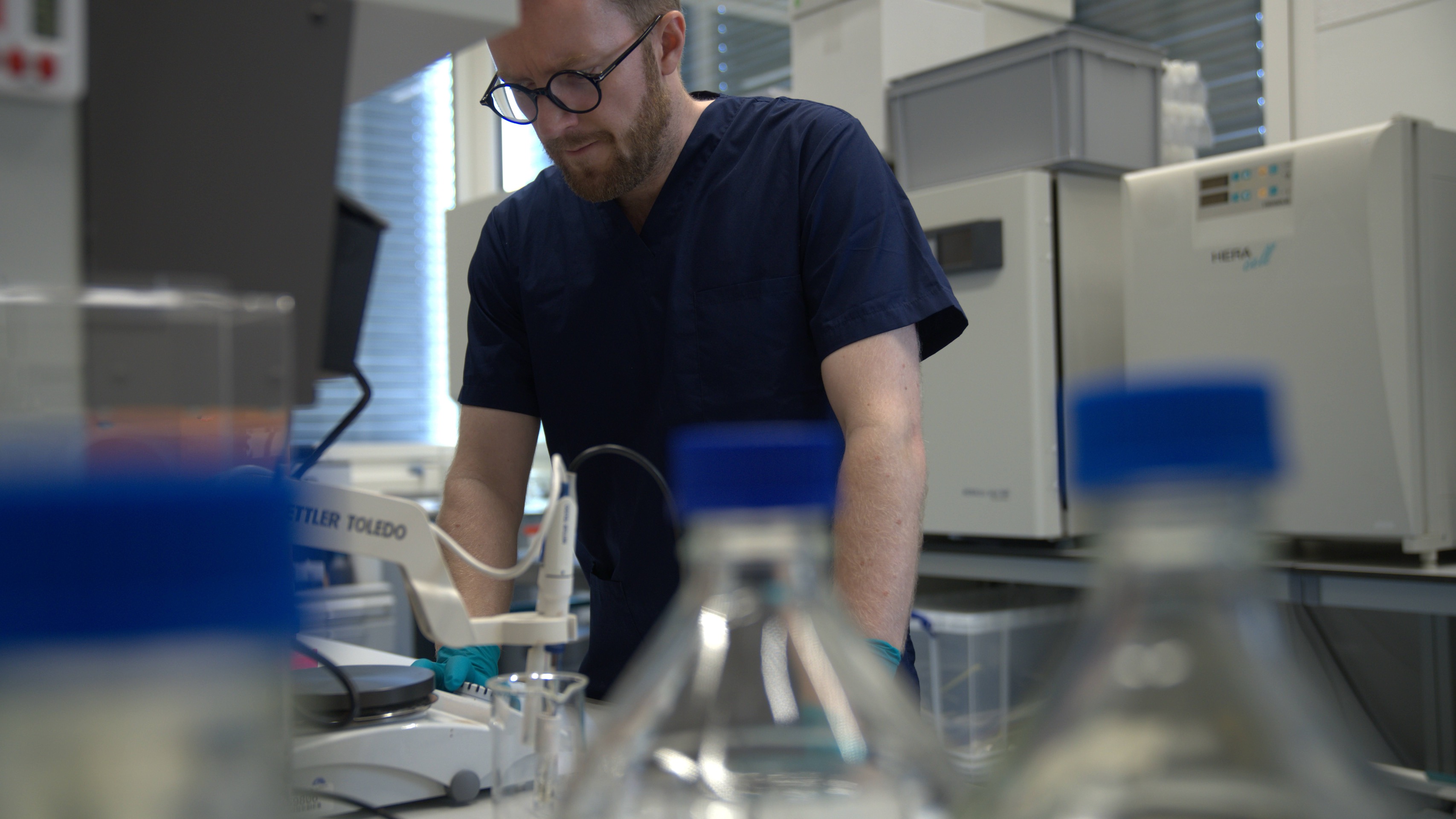
Understanding why ordinary freezing damages tissue, and why the right molecule is central to vitrification.
The body is roughly 60% water. Freeze tissue conventionally and sharp ice crystals can form, disrupting the membranes and structures preservation is meant to protect.
Crystal growth can damage cells as water changes phase.
Conventional cryoprotectants can require concentrations that impair recovery.
Large structures make uniform distribution and revival substantially harder.
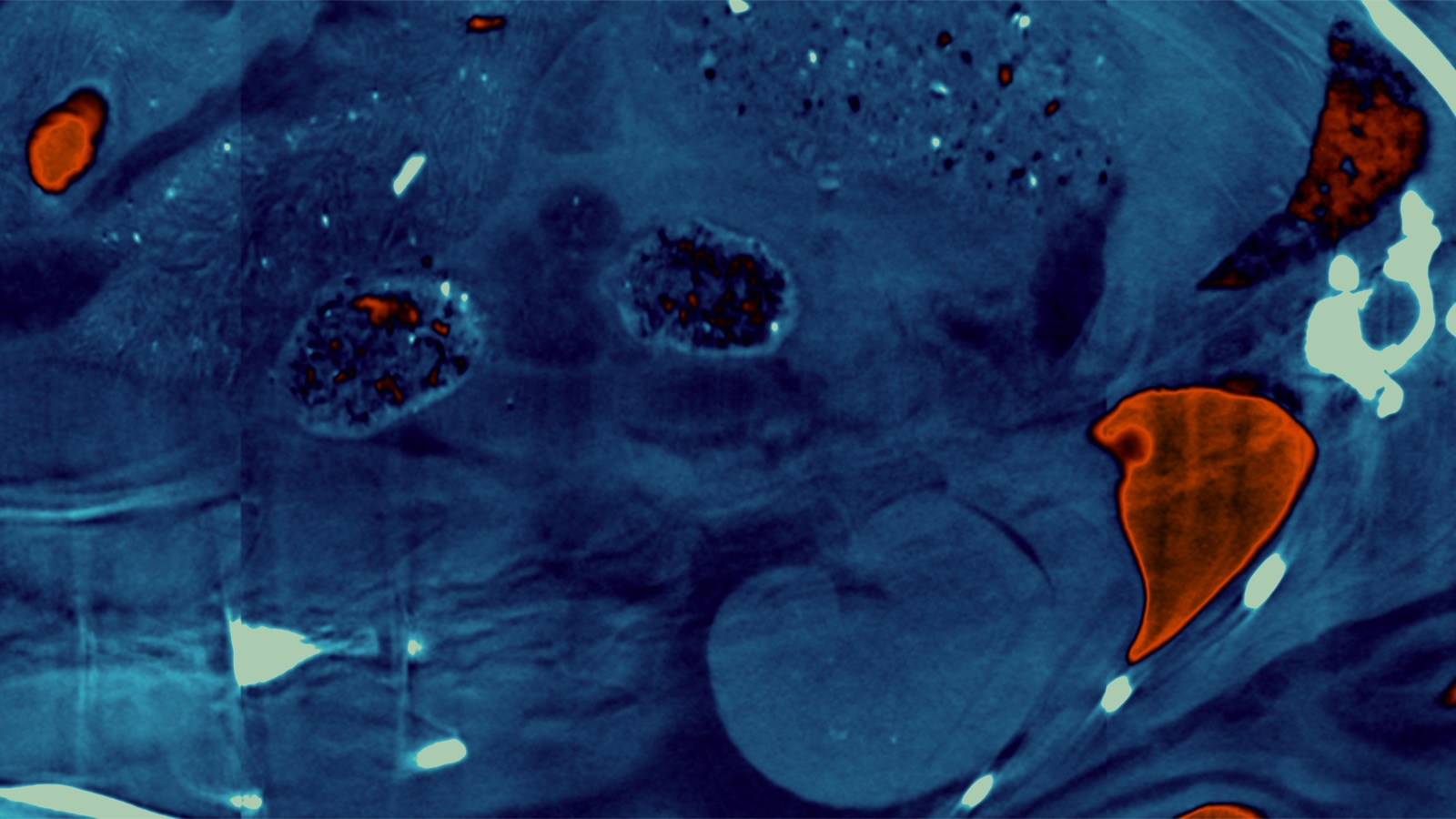
Imaging provides a way to inspect structural change and compare outcomes across preservation conditions.
Persist Bio's stated direction is molecule-led: exploring cryoprotective agents intended to reduce ice formation while addressing toxicity and organ-scale constraints.
Computational guidance can help prioritize which molecular candidates deserve laboratory testing.
Predictions only become meaningful when tested against biological performance.
Functional recovery after warming remains the standard that ultimately matters.